What Are the Best Materials to Buy for Food Applications?
S (Scene): Sourcing materials for food-related products, like kitchenware or processing equipment, demands a focus on safety, durability, and cost-effectiveness. C (Conflict): With options like stainless steel, glass, and plastics, picking the wrong material risks safety or performance issues. Q (Question): What are the best materials to buy for food-safe applications? A (Answer): 316 Stainless Steel is the top choice for food applications due to:
High Corrosion Resistance: Molybdenum (2-3%) protects against corrosion from acidic or salty foods, surpassing 304 stainless steel.
Safety and Hygiene: Hypoallergenic, non-porous surface prevents bacterial growth, meeting stringent food safety standards.
Long-Term Value: Durable and resistant to wear, it reduces replacement costs despite a higher upfront price.
Glass is safe but fragile, while food-grade plastics may leach chemicals over time. At Yiwu Ivanda Crafts CO., LTD, our 316 stainless steel products, backed by BSCI and DISNEY certifications, offer eco-friendly, high-quality solutions. Visit www.stainlesstrends.com to source reliable, food-safe materials!
#Keywords: #316StainlessSteel #FoodSafeMaterials #DurableKitchenware #EcoFriendly #IvandaCrafts #HygieneStandards#fashionjewelry#bracelet #jewelryaccessories #cheapprice #goldplated #gold #Stainlesssteel #stainlesssteeljewelry #14K #18K#highquality #luxury #beautiful #jewelryfactory #jewels #design #designerjewelry #handmade #handmadejewelry #butterfly #heart#earrings #charm #necklaces #jewelryforwomen#rings #art #goldjewellery #wholesale #jewelryfactory #bangle
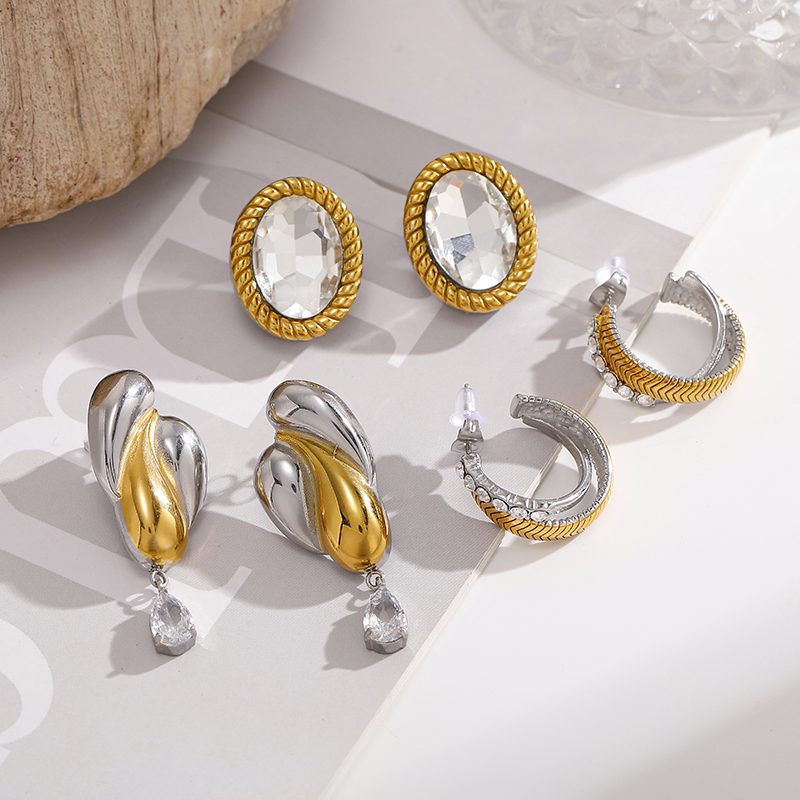 Private Label vs. White Label Jewelry: Which to Choose?
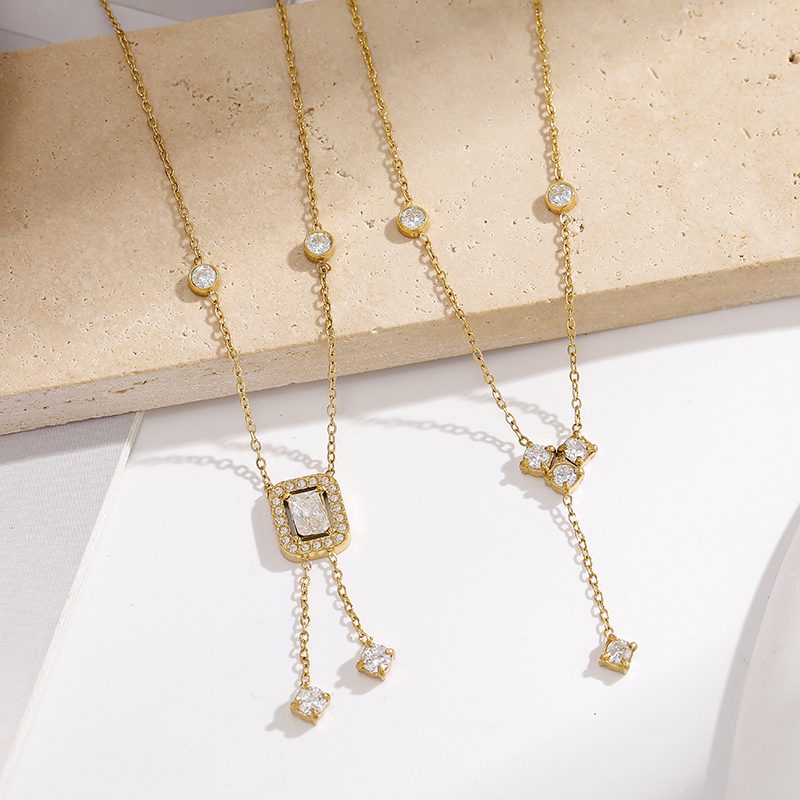 What Is PVD Gold Plated Jewelry? (And Why It Lasts)
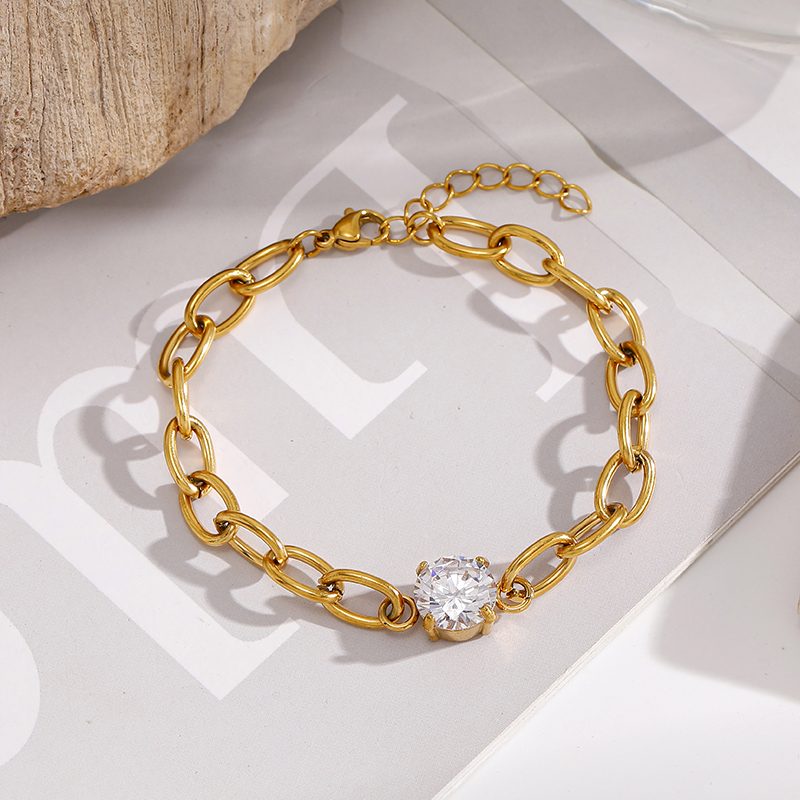 What Does Wearing an Anklet Mean? Left or Right Ankle
 How to Clean Stainless Steel Jewelry the Right Way