
Does Stainless Steel Jewelry Turn Your Skin Green?
No — genuine stainless steel jewelry does not turn your skin green. Green discoloration comes from metals like copper and brass, which react with the acids in your sweat to form colored salts. Stainless steel is different: its chromium content forms a protective surface layer that stops that reaction from starting, which is why the same alloy family is used for surgical instruments and kitchen sinks.
That said, not every ring sold as "stainless steel" behaves the same way. Below is exactly why green stains happen, when stainless steel can still be the culprit, and how to buy pieces that never cause it.
Why Does Jewelry Turn Your Skin Green at All?
The green mark is a chemical reaction, not dirt. When sweat and skin acids meet certain metals — above all copper, and copper-rich alloys like brass — the metal slowly dissolves into salts. Those salts are greenish-blue, and they transfer onto your skin as a stain.
Green skin is a sign that the metal itself is corroding — a reaction that properly made jewelry should never cause.
Moisture makes it faster. Humid weather, workouts, hand lotion, sunscreen, chlorine from a pool, even soap residue all accelerate the reaction. The stain itself is usually harmless and washes off, but it tells you something important: the alloy touching your skin is unstable.
Why Stainless Steel Doesn't Cause Green Skin
Stainless steel contains at least 10.5% chromium, and chromium does something remarkable: it reacts with oxygen to form an invisible, self-repairing layer of chromium oxide on the surface. This "passive layer" seals the metal underneath from air, moisture and skin acids, so the metal stays intact instead of dissolving into your skin.
The grade matters, too. Jewelry-grade 316L stainless steel adds 2–3% molybdenum, which specifically improves resistance to chlorides — the salts found in sweat. That extra margin is why 316L is known as "surgical grade" and is the default choice for pieces meant to be worn every day, in the shower, at the gym, and to bed.
When Can Stainless Steel Jewelry Still Stain Your Skin?
Honesty makes this guide useful, so here are the four real-world exceptions:
-
It was never true stainless steel. The most common cause by far. Cheap "silver-tone" fashion jewelry is usually brass or copper with a thin coating. Once the coating wears through — a few weeks of daily wear is enough — the reactive base metal touches your skin and the green staining starts. If a "stainless steel" ring turns your finger green, the problem is almost always the plating — or the piece was never stainless steel at all.
-
Low-quality plating wears off. Conventional electroplating sits thinly on the surface and wears with friction. Pieces advertised as gold-tone but plated by weaker processes can expose base metal around edges and ring bands first.
-
Trapped chemicals and moisture. Pool chlorine, hot-tub treatments, bleach and cleaning products can attack even good jewelry over time. Any metal — including stainless steel — lasts longer if you rinse and dry it after such exposure.
-
Nickel sensitivity shows up differently. A minority of people are sensitive to nickel. Importantly, the reaction is redness and itching (contact dermatitis), not green staining — so it's a different problem with a different solution. 316L's formulation keeps nickel release low, which is why reactions are uncommon, but very sensitive skin should still pay attention to how any metal feels. We cover this in detail in our guide to stainless steel jewelry and allergies.
Which Metals Turn Skin Green — and Which Don't
| Metal | Turns skin green? | Why |
|---|---|---|
| Copper, brass | Yes, reliably | Reacts directly with sweat acids to form green salts |
| Cheap plated fashion jewelry | Yes, once plating wears | Base metal under the coating is usually copper-rich |
| Sterling silver | Not green — can leave dark marks | Tarnish (silver sulfide) can rub off on some skin, harmless |
| 316L stainless steel | No | Chromium oxide passive layer blocks the reaction |
| PVD 18K gold plated stainless steel | No | PVD bonds a hard, dense gold-tone surface onto stable stainless steel |
The pattern is simple: green comes from copper underneath, not from the surface color you see. A gold-tone or silver-tone finish tells you nothing — the alloy beneath it decides everything.
How to Stop Any Jewelry From Turning Your Skin Green
If you already own pieces that stain, or want to protect anything you buy:
- Keep it dry when it matters. Remove jewelry for pools, hot tubs and cleaning with chemicals; sweat is the main trigger for copper alloys, so wipe pieces after workouts.
- Create a barrier on rings. A thin layer of clear polymer nail polish on the inner band is a classic short-term fix for plated rings.
- Store pieces dry and separate. Humid bathroom drawers speed up corrosion for every metal.
- Buy by material grade, not by color. Pieces that state "316L stainless steel" are engineered not to do this. That one line of text is worth more than any marketing word like "anti-tarnish".
How to Tell Whether Your Jewelry Is Real Stainless Steel
- Ask for the grade in writing. A supplier who works with stainless steel daily answers "304 or 316L?" instantly. Evasion is an answer too. If you're comparing grades for a purchase, our breakdown of 304 vs. 316 stainless steel for jewelry explains the difference in plain terms.
- Judge the weight and finish. Stainless steel feels dense and solid for its size; light, hollow-feeling "silver-tone" rings are usually plated brass.
- Don't rely on the magnet test. Some stainless steel grades are weakly magnetic and some are not, so a fridge magnet can neither prove nor disprove the grade — treat magnet results as noise.
- Watch the price. Genuine 316L has a material cost. A large ring at a fast-fashion price is almost always a coated base-metal piece — which is exactly the kind that greens your skin later.
Stainless steel also doesn't rust in normal wear the way people fear; we explain what actually happens in our guide to stainless steel necklaces and rust. If you want pieces you never have to think about, start with daily staples like stainless steel earrings and bangles in 316L — they're the easiest way to enjoy jewelry with zero green-skin worries.
FAQ
Why did my stainless steel ring turn my finger green? Almost certainly the ring was not genuine stainless steel — it was a copper-rich alloy with a worn-through coating. True 316L stainless steel does not produce green stains. Check the inner band for worn plating or a brassy color showing through.
Is green skin from jewelry harmful? The stain itself is typically harmless and washes off with soap and water. But it does mean the metal is corroding against your skin, and repeated exposure can irritate some people. Treat green marks as a signal to stop wearing that piece.
Does PVD 18K gold plated stainless steel turn skin green? Quality PVD 18K gold plated stainless steel should not. PVD (Physical Vapor Deposition) creates a far harder and more adherent surface than conventional electroplating, and the stainless steel beneath it doesn't corrode. If a "gold" piece turns you green, the base metal was almost certainly brass, not stainless steel.
Can you be allergic to stainless steel jewelry? A true allergy is uncommon. Some nickel-sensitive people experience redness or itching with certain steels, but 316L is formulated for low nickel release and is widely used for long-term skin contact. See our full guide to stainless steel jewelry and allergies for symptoms and precautions.
What jewelry metal never turns skin green? At affordable price points, 316L stainless steel is the most reliable no-green choice, with titanium as another excellent option. Avoid copper, brass and unbranded plated fashion jewelry if green marks are your main concern.
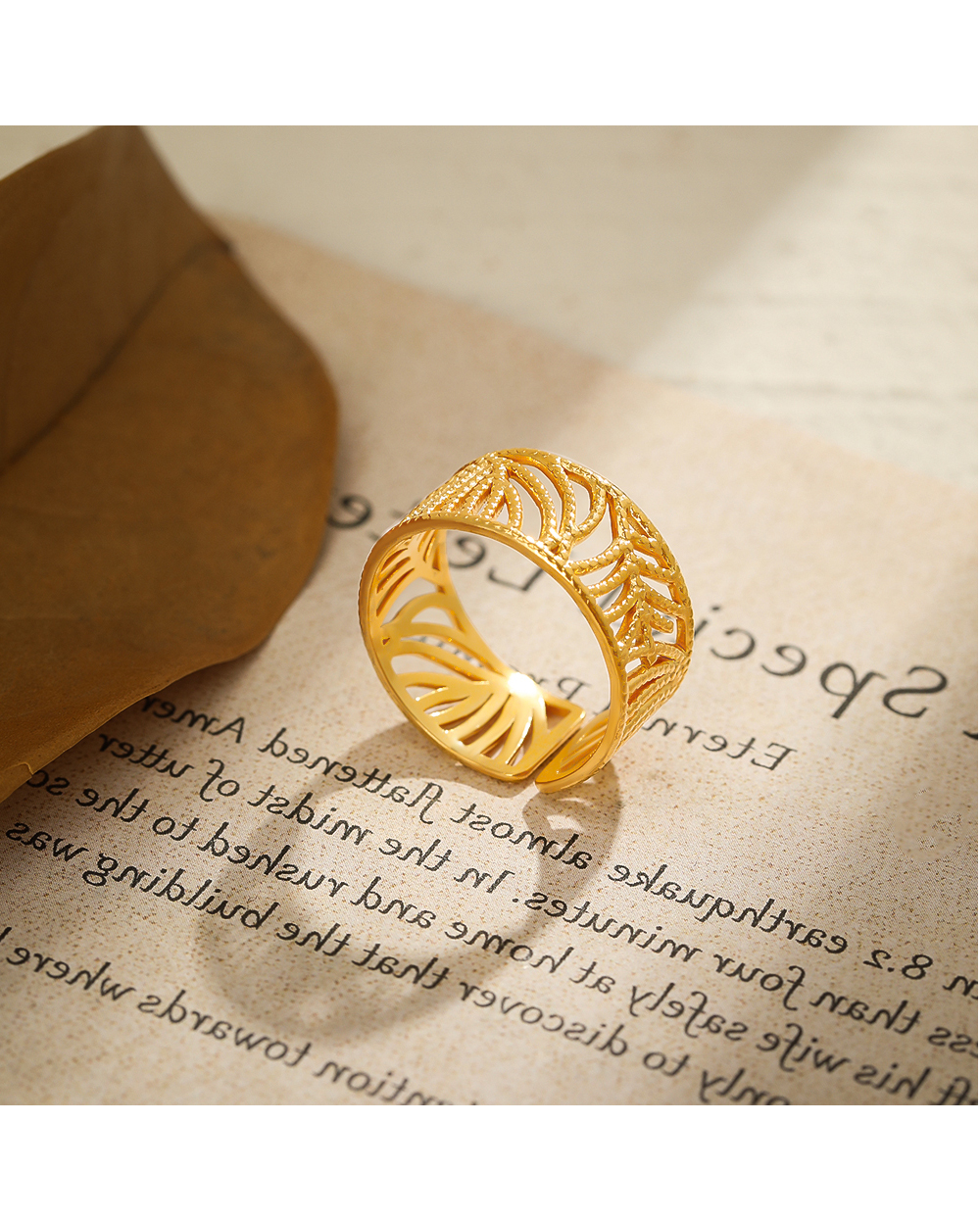 Private Label vs. White Label Jewelry: Which to Choose?
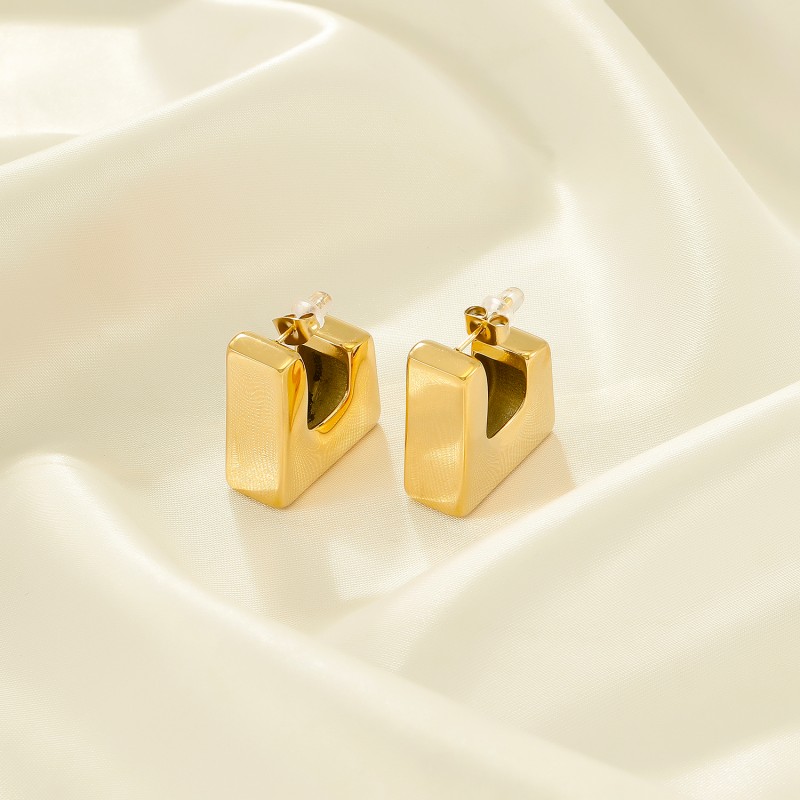 What Is PVD Gold Plated Jewelry? (And Why It Lasts)
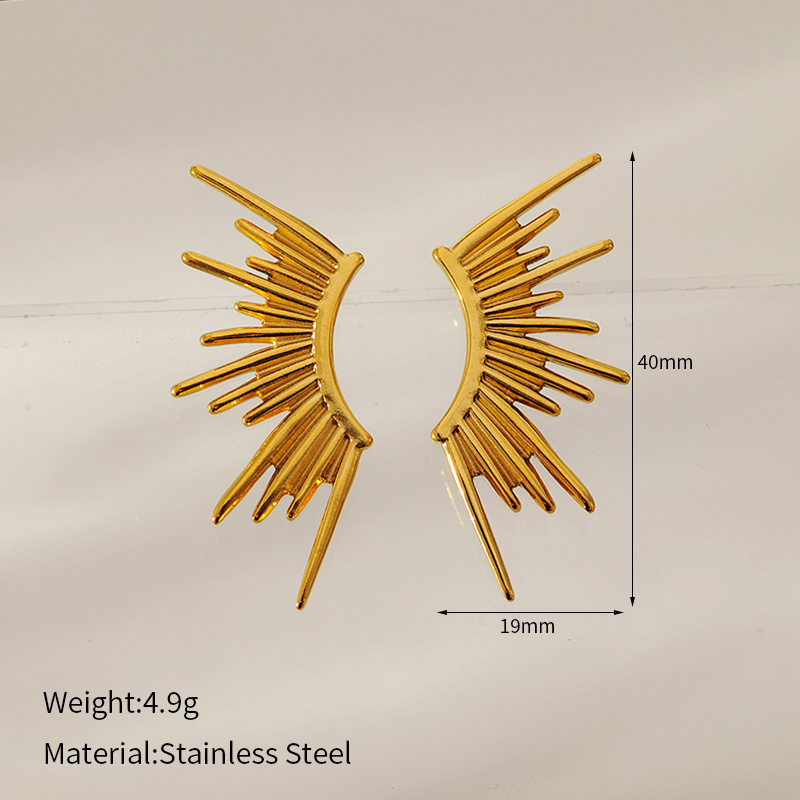 What Does Wearing an Anklet Mean? Left or Right Ankle
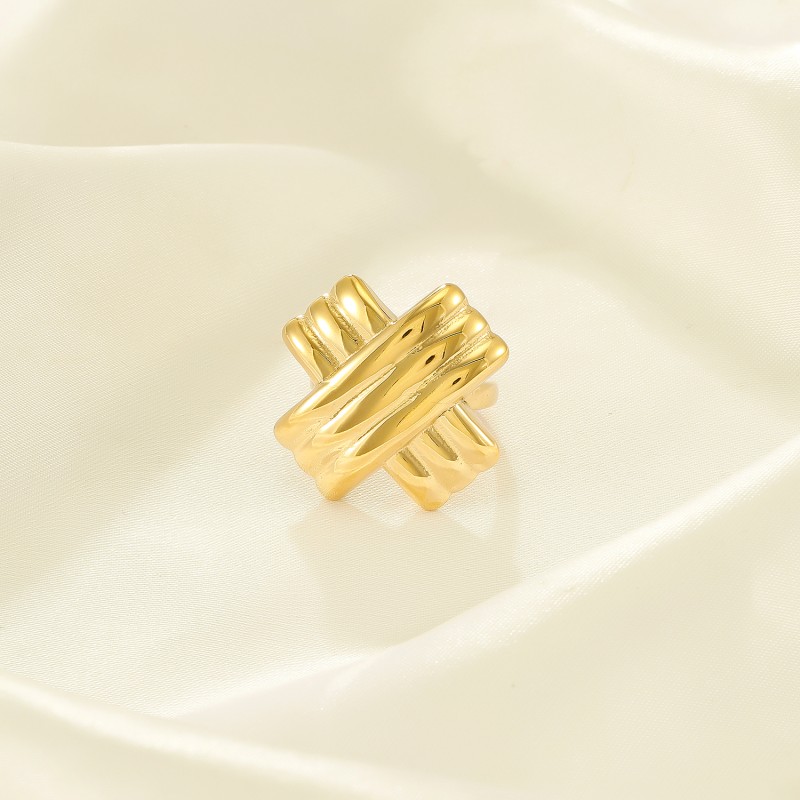 How to Clean Stainless Steel Jewelry the Right Way