Importing Jewelry from China: Hidden Costs to Know
Importing jewelry from China involves at least seven cost layers beyond the unit price — samples, tooling, freight, duties, payment fees, defect allowance, and time. Buyers who budget only for "quantity × unit price" routinely discover that the real landed cost runs meaningfully higher, and the ones who map the full structure upfront choose better suppliers, better terms and better margins.
This guide maps every cost layer in the import journey — what each one is, what drives it, and which are negotiable. No numbers here are universal (they vary by lane, season and volume), but the structure is constant, and structure is what a buyer can plan against.
The Full Cost Map: Seven Layers Beyond Unit Price
| # | Cost layer | What drives it | Negotiable? |
|---|---|---|---|
| 1 | Samples | Design complexity, courier speed | Fee often deductible from bulk |
| 2 | Tooling / molds | Design complexity; ownership negotiable | Sometimes — ask about amortization |
| 3 | Freight | Weight, volume, speed, lane, season | Mode choice is yours |
| 4 | Duties and taxes | Your country's tariff codes and thresholds | Set by law — but classification matters |
| 5 | Payment fees | Method (wire, card, platform) | Split with supplier sometimes |
| 6 | Defect allowance | Supplier QC quality | Best negotiated at source: quality, not discount |
| 7 | Time and communication | Your own hours | Efficiency at both ends |
None of these layers is hidden by honest suppliers — they're hidden by buyers who only asked for the unit price.
Layer by Layer: What to Know
1. Samples. Every serious program starts with samples — budget their cost and courier fees as a fixed line, and confirm whether sample fees are deductible from the bulk order (many suppliers do exactly this). Skipping samples to save this line is how the defect-allowance line grows later.
2. Tooling. Custom designs (the OEM route) carry mold or die fees — one-time, and worth negotiating: ownership terms (exclusive to you?) and amortization (waived above a quantity?) both move. Catalog ODM pieces skip this layer entirely, which is part of their launch math.
3. Freight. The mode decision is cost-vs-speed: express for samples and urgent top-ups, air for mid-volume, sea for the bulk restock where a longer lead time trades for the lowest per-piece logistics cost. Jewelry is light and high-value, which makes air freight more common than in heavy industries — but a planned sea restock is where established brands save.
4. Duties and taxes. Your country charges import duty by product classification, plus local taxes on entry. The rates are public; classification codes matter. Budget the layer and confirm the codes with your customs broker — surprises here are planning failures, not supplier failures.
5. Payment fees. International wires, platform processing and currency conversion each take a slice. Agree on the method and who carries which fee before the invoice — small percentages, repeated every order.
6. The defect allowance. Even good factories produce occasional defects; professional buyers budget a small percentage for them rather than expecting zero. The better answer is upstream: the five verification questions — because a supplier whose QC is tight makes this line nearly zero, while a cheap quote with loose QC makes it the biggest line of all (the returns math).
7. Time. The least quantifiable and most real: communication efficiency, sampling cycles, and shipping lead times all consume your hours. Suppliers who answer fast, document clearly and hit quoted lead times save money no invoice shows.
The Landed-Cost Habit
Professional importers think in landed cost — the unit price plus every layer above, divided by sellable units. The habit changes decisions: a slightly higher unit price from a supplier with tight QC, fast replies and deductible samples often lands cheaper than the cheapest quote with loose everything. When you compare suppliers on landed cost instead of unit price, grade transparency and responsiveness stop looking like nice-to-haves and start looking like what they are — line items.
The Red Flags in a Quote
- A quote that only shows unit price, with no breakdown of samples, tooling or freight assumptions
- "Shipping included" without the mode, incoterm or lead time stated
- Payment terms demanded outside standard methods
- A defect policy that consists of reassurance
A professional quote is a document you could budget from directly — if you can't, keep asking or keep looking.
FAQ
What are the real costs of importing jewelry from China? Beyond unit price: samples, tooling for custom designs, freight, import duties and taxes, payment fees, a defect allowance, and the time cost of communication. Budget all seven layers for a landed cost you can trust.
How can I reduce freight costs when importing jewelry? Plan ahead so bulk restocks can move by sea (the slowest, cheapest mode), keep samples and urgent top-ups on express, and consolidate orders to fill containers efficiently. Jewelry is light and high-value, so mode choice matters proportionally more than in heavy goods.
Do I pay duties on imported jewelry? Yes — your country applies import duty by product classification plus local taxes at entry. Rates and codes are public; confirm them with a customs broker and budget the layer rather than discovering it at the border.
Are sample fees refundable? Often — many suppliers deduct sample fees from the bulk order if you proceed. Ask before ordering; the policy is also a signal of how the supplier views long-term relationships versus one-off transactions.
How do I compare quotes from different suppliers fairly? Normalize to landed cost: same incoterm, same quantity, same spec, with every layer included. A quote missing breakdown lines isn't cheaper — it's incomplete.
The Incoterm Quick Guide (The Term That Changes the Quote)
Every jewelry quote includes an incoterm — the trade term that defines where the supplier's responsibility ends and yours begins. The three you'll meet most:
| Incoterm | Supplier covers | You cover | Best for |
|---|---|---|---|
| EXW (Ex Works) | Nothing — goods at their door | Everything from pickup on | Buyers with their own freight forwarder |
| FOB (Free on Board) | Delivery to the port, export clearance | Main freight, insurance, import | The standard for sea freight |
| DDP (Delivered Duty Paid) | Everything to your door, duties included | Only receiving | First-time importers who want certainty |
The same order quoted EXW, FOB and DDP shows three different prices — none wrong, just different responsibility splits. Compare quotes on the same incoterm or the comparison is meaningless (the landed-cost habit).
FAQ
Payment Terms Explained (The Part Nobody Teaches)
First orders with new suppliers follow a near-universal pattern, and knowing the standard protects you from both extremes:
- The standard: 30% deposit with order, 70% balance before shipment — the global manufacturing default.
- The escalation: 100% upfront is sometimes asked for tiny first orders (the admin of invoicing twice costs more than the order); acceptable for small sums, worth negotiating away as orders grow.
- The protection: platform-mediated payments (trade assurance style) hold funds until delivery confirmation — worth the fee on first orders with unverified suppliers.
- The later: established partnerships graduate to more flexible terms — a signal of trust earned, not assumed.
Terms are part of the relationship you build, not just the invoice you pay.
The First Order Checklist
Before the deposit on any first order: sample approved in writing, five questions answered, MOQ definitions confirmed (per design or per color), production timeline stated, defect policy documented, payment method agreed. Six checkmarks, then wire — and the checklist itself becomes your standing template for every future supplier (the full sourcing system).
FAQ
Wholesale Stainless Steel Jewelry from IVANDA
Looking for a reliable stainless steel jewelry supplier? IVANDA supplies 316L pieces with PVD 18K gold plating - waterproof, skin-friendly and made for everyday wear. MOQ 60 pcs per style, in stock and ready to ship, with OEM/ODM services for custom designs. Message us on WhatsApp or email [email protected] for the latest catalog and wholesale prices.
Wholesale Stainless Steel Jewelry from IVANDA
Looking for a reliable stainless steel jewelry supplier? IVANDA supplies 316L pieces with PVD 18K gold plating - waterproof, skin-friendly and made for everyday wear. MOQ 60 pcs per style, in stock and ready to ship, with OEM/ODM services for custom designs. Message us on WhatsApp or email [email protected] for the latest catalog and wholesale prices.
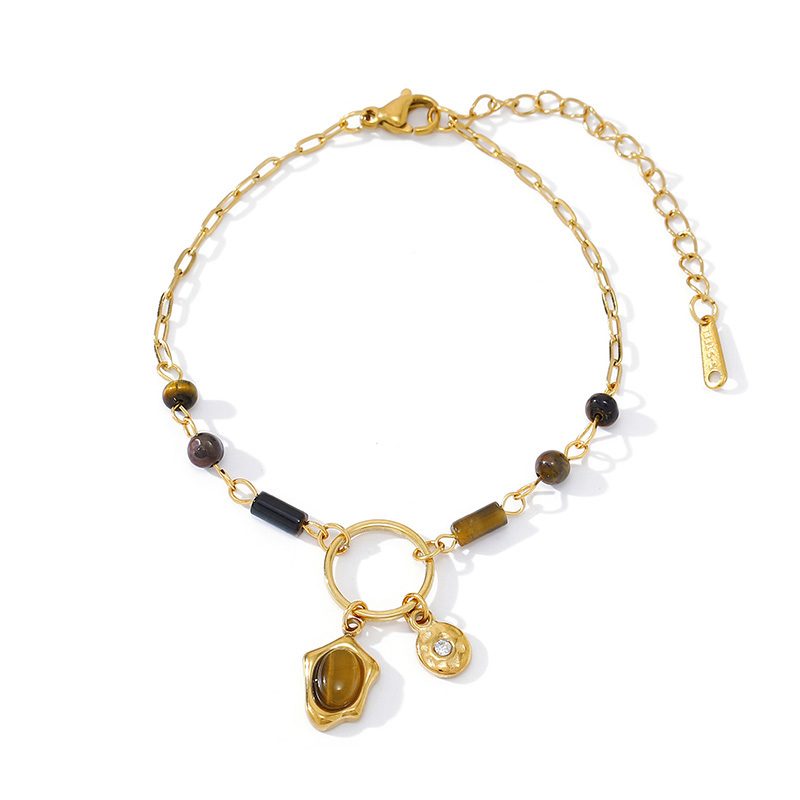 OEM & ODM Stainless Steel Jewelry Services — IVANDA
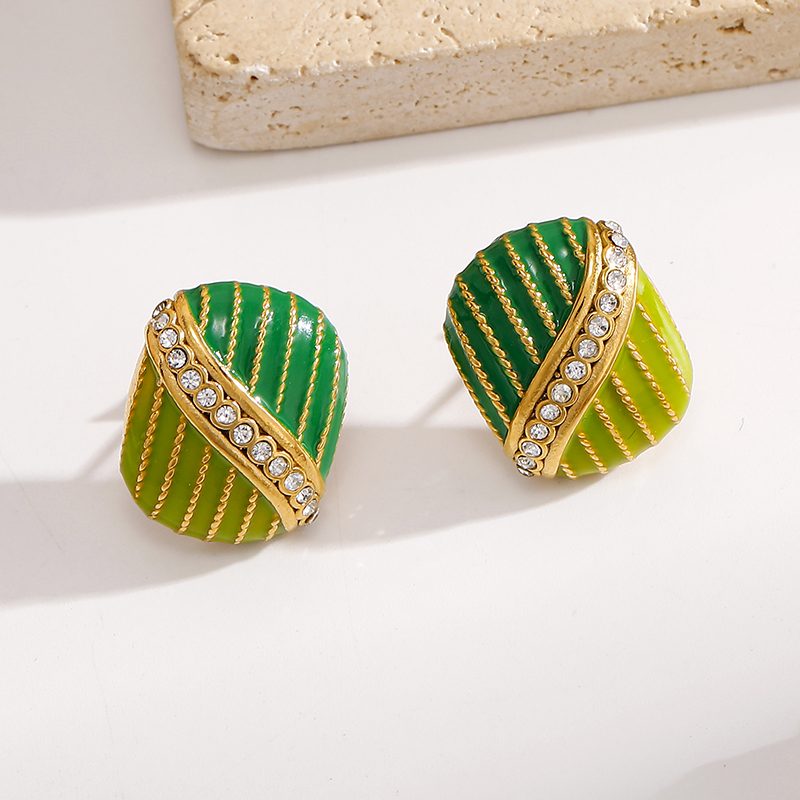 Importing Jewelry from China: Hidden Costs to Know
 How to Wear Statement Jewelry (Without Overdoing It)
 How to Build a Jewelry Capsule Wardrobe