
Can You Swim with Stainless Steel Jewelry? Pool & Ocean
Yes — 316L stainless steel is the most swim-safe jewelry metal you can wear. Its chromium oxide surface layer shrugs off pool chlorine and ocean salt in the way silver, brass and plated fashion jewelry cannot. Keep one habit and one exception in mind — rinse with fresh water after swimming, and think twice about daily hot-tub sessions — and your jewelry outlives the swimsuit.
That makes stainless steel the default material for anyone who actually lives in their jewelry: beach days, hotel pools, lap swimming, surfing trips. Here's exactly what happens to the metal in each kind of water, the honest limits, and the tiny after-swim routine that keeps everything bright.
Why Stainless Steel Survives What Other Metals Can't
Water itself was never the problem — reactivity is. Pool water is chlorinated and slightly salty from human use; ocean water is saltier still and often warmer; sweat is salty and acidic. Reactive metals respond to that chemistry: sterling silver tarnishes on contact with chlorine compounds, copper alloys corrode and mark skin, and conventional plated jewelry loses its thin finish within a season of swimming.
Stainless steel is built differently. At least 10.5% of the alloy is chromium, which reacts with oxygen to form an invisible, self-repairing layer of chromium oxide over the surface. Chlorine and salt attack that layer and it regenerates — this is the same reason marine hardware and surgical instruments are made of stainless steel. Jewelry-grade 316L adds 2–3% molybdenum, which specifically hardens the layer against chlorides — the exact salts in seawater and sweat. For the full material comparison, see our 304 vs. 316 breakdown.
Pool vs. Ocean vs. Hot Tub: What Each Does to Your Jewelry
| Water type | Effect on 316L stainless steel | Effect on silver / plated jewelry | After-swim care |
|---|---|---|---|
| Swimming pool (chlorine) | Essentially none at swim frequency; film from pool chemicals rinses off | Chlorine compounds tarnish silver; attack plated finishes | Quick fresh-water rinse |
| Ocean / salt water | No corrosion at normal exposure; salt dries as residue | Salt accelerates tarnish and finish wear | Fresh-water rinse, dry |
| Hot tub | Fine occasionally; daily heat + concentrated chemicals is the one real stress case | Rapid tarnish and finish failure | Rinse after; limit daily exposure |
| Fresh water (lake, shower) | None — dries with possible temporary water spots | Variable; spotting and tarnish | Just dry |
Two nuances worth knowing. First, chlorine damage is a dose problem, not a switch: a summer of occasional swims is a non-event, while a month of daily two-hour lap sessions is the scenario where even good jewelry appreciates a rinse. Second, temperature matters more than water type — hot tubs and heated pools accelerate every chemical reaction, which is why they head the caution list rather than the ocean.
The 30-Second After-Swim Routine
- Rinse the pieces under fresh water — a shower, tap or bottled water all work. This removes chlorine and salt residue before they dry onto the surface.
- Wipe dry with a soft cloth — drying prevents the mineral water-spots that read as dullness (it isn't tarnish; see what that film actually is).
- Store dry — toss pieces in a pouch only once they're fully dry.
That's the entire ritual. No polishing, no jewelry dips, no taking-everything-off anxiety at the pool ladder.
Wear it in the water, rinse it when you're out — that's the whole maintenance story.
When Should You Actually Take Jewelry Off?
Three honest cases, and only one involves water chemistry:
- Daily hot-tub sessions. Heat plus concentrated chemicals is the maximum-stress environment. Occasional soaks are fine; if you're a daily hot-tubber, that's the one habit where removal meaningfully extends any finish — including PVD 18K gold plated surfaces.
- Between swim and dry-off for plated fashion jewelry. If a piece isn't stainless steel underneath — brass or copper with a coating — every swim is eating its lifespan. If your "gold" ring faded after one beach season, that's the mechanism, explained in why gold-plated jewelry fades.
- Around rough water sports. Not a chemistry issue: cold fingers shrink, rings loosen, and the ocean keeps whatever drops off it. Size rings correctly (our guides cover fit) or leave them in the beach bag for open-water days.
Does Salt Water Ruin Stainless Steel? The Honest Limits
Salt water is the scenario people fear most, and the honest answer is "not for jewelry purposes." Marine-grade steels live in the ocean for decades; your anklet's summer of beach days is nothing. The two real limits: grade and surface damage. A low-grade "stainless" alloy without the molybdenum margin has less chloride resistance — one more reason to ask the grade before buying. And a deep scratch that traps salt can locally outpace the passive layer's repair — on quality 316L this shows up, at worst, as a dull spot that cleans away, not rust.
If you've ever lost a silver ring to a week of swimming, that contrast is the whole argument: stainless steel doesn't ask you to choose between the beach and your jewelry.
What About Gold-Tone Steel? Does the Color Survive Swimming?
The most common follow-up, and the answer follows the material logic: it depends on the finish, not the water. Gold-tone pieces over 316L steel with PVD 18K gold plating are engineered for exactly this lifestyle — the molecular-bonded coating doesn't react with pool chlorine or salt, and swimmers report seasons of color-fast wear. Conventional electroplated "gold" pieces are a different story: water exposure is one of the four accelerants in the fade cycle, and a summer of swimming visibly ages them.
The quick field test when you're unsure which you own: check the piece after a week of swims. PVD stays uniformly gold; wearing plating shows first at edges and chain link gaps as a brassy or pale tone. And if you're buying new, the question "is the finish PVD?" now matters more than the brand name on the listing.
FAQ
Can you swim in a pool with stainless steel jewelry? Yes. 316L stainless steel tolerates pool chlorine easily at normal swimming frequency. A fresh-water rinse afterward removes chemical residue and keeps the surface bright.
Is stainless steel jewelry really waterproof? Practically, yes — water doesn't corrode, tarnish or fade properly graded stainless steel, which is why it's the standard for constant-wear pieces. Only the surface can pick up temporary film or spots, which rinse or wipe away.
Can you wear stainless steel jewelry in the ocean? Yes. The molybdenum in 316L specifically strengthens the metal against salt (chloride) exposure. Rinse in fresh water after beach days to remove dried salt residue.
Does chlorine damage stainless steel jewelry? Not at swimming doses. Chlorine attacks the protective oxide layer, but the layer regenerates — damage requires prolonged, repeated, concentrated exposure, the scenario of daily hot-tub use rather than normal swimming.
What jewelry can you swim with? 316L stainless steel is the safest common choice, followed by solid gold at a very different price. Sterling silver, copper alloys and conventionally plated fashion jewelry all degrade measurably in pools and the ocean.
Does sunscreen damage stainless steel jewelry? No — lotion and sunscreen only leave a surface film that the weekly soap rinse removes. The film traps moisture against any jewelry, so a quick wipe after heavy sunscreen days keeps the shine honest; the metal itself is unaffected.
Can I wear my stainless steel jewelry in the jacuzzi once in a while? Yes. An occasional hot-tub soak is well within what 316L tolerates — the caution about heat and concentrated chemicals applies to daily sessions. Rinse in fresh water afterward as part of the normal after-swim routine and nothing more is needed.
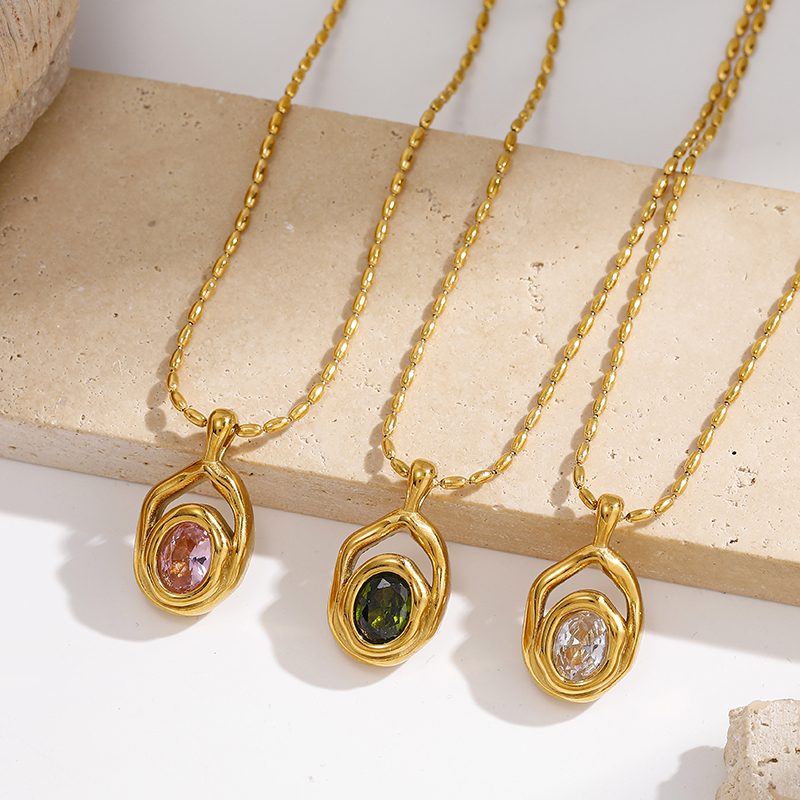 How to Start a Jewelry Brand in 2026: Step-by-Step
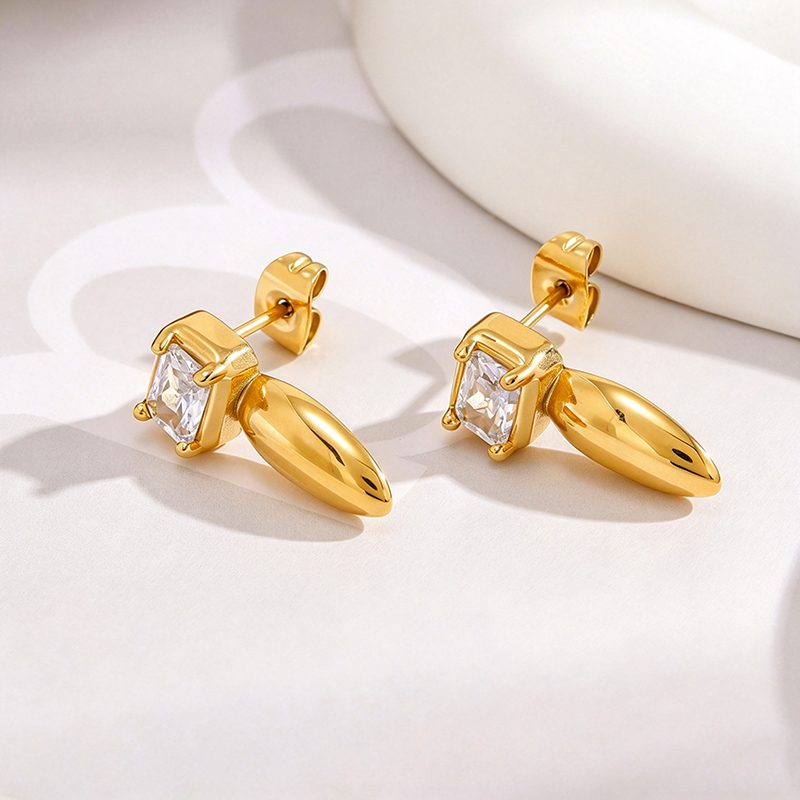 Why Does Gold-Plated Jewelry Fade? (And What Lasts)
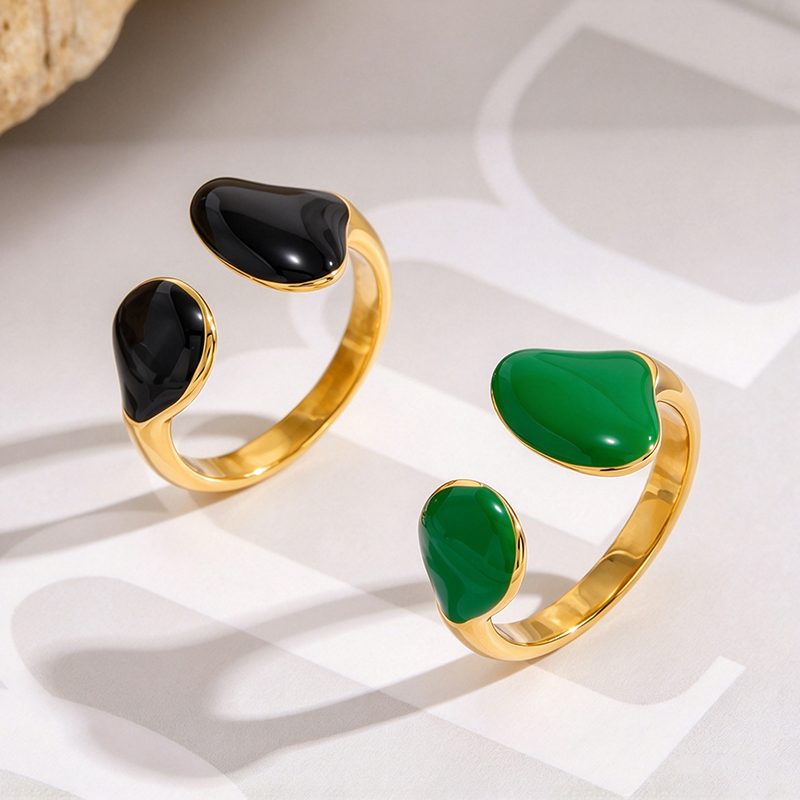 How to Measure Ring Size at Home (3 Easy Methods)
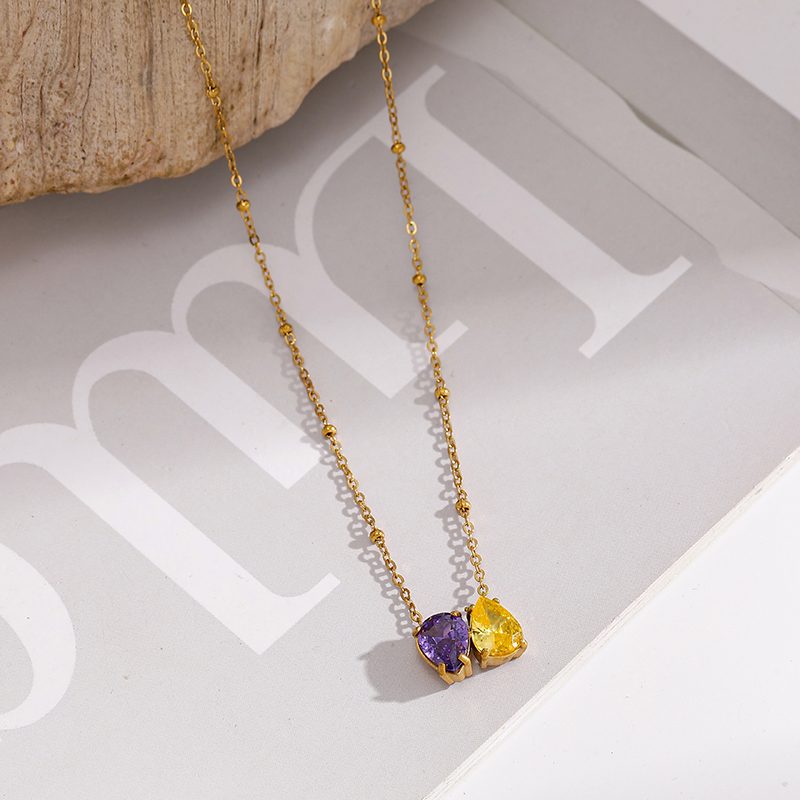 Necklace Chain Types Explained: Find Your Chain Style