
How Long Will Your Stainless Steel Necklace Last?
With normal daily wear and basic care, a quality stainless steel necklace stays strong and shiny for many years — often outlasting the trend you bought it for. The steel itself does not tarnish and does not rust in everyday conditions; the part that eventually ages is the surface finish, especially plated color. How you wear and store it decides which end of the range you get.
What Actually Determines How Long It Lasts?
Two necklaces bought on the same day can age completely differently. Lifespan is not luck — it comes down to four factors you can check before and after buying:
| Factor | Shortens the Necklace's Life | Extends the Necklace's Life |
| Steel grade | Mystery "stainless" alloys (often 201-grade) that corrode near sweat and pools | 316L — the grade made for pieces that live on the skin |
| Finish | Thin electroplating that wears through at contact points | PVD 18K gold plated or plain steel, which bonds far harder to the metal |
| Construction | Flimsy clasps and loose crimps that fail first | Soldered links and solid clasps |
| Wear habits | Pools, hot springs, perfume sprays, gym friction, sleeping in tangles | Rinsing after swimming, soft-cloth wipes, dry storage |
The metal rarely fails first — clasps, plating and carelessness do. Buy on grade and construction, then protect the finish, and the years take care of themselves.
How Long Does the Steel Itself Last?
Decades. That is not marketing talk; it is chemistry. 316L stainless steel carries at least 10.5% chromium, which forms an invisible, self-healing chromium oxide layer over the metal. That layer is what keeps sinks, cutlery and watch backs bright for years of abuse — and it works the same way on your necklace.
Unlike silver or brass, a stainless steel necklace has no natural enemy in daily life: sweat, rain, soap and humidity simply give it nothing to react with. Genuine tarnish is a chemical reaction, and stainless steel is built to refuse that reaction. What wearers sometimes mistake for tarnish is a thin film of soap, lotion or skin oil — a surface buildup that rinses away, not a change in the metal.
How Long Does the Gold Color Last?
On a plated piece, the color layer is the honest variable. Old-style electroplating sits thinly on top of the metal and can rub through at the clasp and chain contact points within a couple of years of daily wear. Physical Vapor Deposition — the PVD process — is different: the color is bonded to the steel at the molecular level in a vacuum chamber, producing a layer many times harder and more wear-resistant.
A PVD 18K gold plated necklace worn daily keeps its color for years, not months — and the high-contact spots are where you will see aging first, if anywhere. Three habits protect it: put the necklace on after perfume and sunscreen, lift it over your head instead of dragging it through hair and scarves, and store it flat and separate so chains do not rub against other pieces overnight.
What Shortens a Necklace's Life in Real Life?
The steel will forgive almost anything, but a few exposures are worth respecting:
- Chlorine and hot-spring water. Prolonged soaking attacks the protective layer at its weakest points. A quick fresh-water rinse after the pool solves it.
- Sprays. Perfume, hairspray and sunscreen contain compounds that dull any finish — steel or gold. They should land on skin, never on jewelry.
- Abrasion. Sleeping in a tangle, wearing it under a rough scarf, or letting it rattle in a jewelry box with harder pieces puts micro-scratches in the finish.
- Neglected clasps. Most "broken necklaces" are really failed clasps and crimps — check them occasionally and have a jeweler re-crimp before the chain drops.
None of these destroy the metal; they only age the surface and the hardware — both preventable, both fixable.
How Do You Make Yours Last Longer?
The routine takes less time than putting on mascara:
- Rinse with fresh water after swimming, then pat dry.
- Wipe with a soft cloth after sweaty days — our five-minute guide to cleaning stainless steel jewelry covers the deep-clean version.
- Last on, first off: jewelry goes on after dressing and comes off before undressing.
- Store flat, dry and separate — a small pouch per necklace prevents chain-on-chain scratching.
Necklaces do not wear out from being worn; they wear out from being forgotten — soaked, sprayed and tangled.
Which Necklace Styles Hold Up Longest?
Style changes how a necklace ages as much as material does. Chunky cable and rope chains distribute stress across many thick links and tolerate years of daily handling; paperclip chains do the same with a flatter profile. Pendant necklaces add a solder point where the bail meets the chain — well-made ones last just as long, but it is the spot to inspect first. Delicate flat styles such as herringbone and snake chains look liquid-smooth but bend and kink under pressure, so they suit careful wearers rather than sleep-in-them wearers.
Match the chain style to the life you will give it: sturdy link chains forgive, flat chains flatter but demand gentleness. If your plan is 24/7 wear, choose a link style in 316L with a solid clasp and you have built in most of the lifespan before day one.
When Should You Actually Replace It?
Replace (or re-plate) when you see structural changes, not cosmetic ones: a chain that has stretched visibly out of shape, a clasp that no longer closes firmly, or plated color worn through to bare steel at the front of the chain where it rubs your chest. Dullness, dark marks from lotion, or a patchy film are not reasons to replace — they come off with a proper cleaning. And if you are wondering whether you can simply wear it forever, we tackle that question directly in can stainless steel jewelry last a lifetime.
Cosmetic dullness cleans off; structural wear is the only honest retirement signal.
Frequently Asked Questions
Does a stainless steel necklace ever rust?
Not in normal daily conditions. 316L's chromium oxide layer blocks the rust reaction; only long exposure to harsh chlorides with zero rinsing can etch inferior grades.
Can I wear it in the shower every day?
Yes — soap and water do not harm the steel. Rinse off chlorine from pools and hot springs, and the necklace will not hold a grudge.
Will it turn my neck green?
No. Green stains come from copper alloys; quality stainless steel contains none and blocks the reaction that causes it.
How long does the gold plating last before it fades?
With daily wear, a PVD-bonded gold finish holds its color for years; the first signs, if any, appear at high-friction points. Electroplated pieces fade much sooner.
My chain broke — is the necklace finished?
Almost never. Stainless steel is difficult for a home repair kit but easy for a jeweler: a broken clasp, jump ring or crimp is a minutes-long fix, and because the metal itself has decades left in it, repairing is almost always worth it. Check whether your seller or brand offers a hardware replacement before you bin the chain.
Is it worth buying if I want "forever" jewelry?
For wear-forever practicality, yes — few metals survive real life as well. For heirloom or resale value, precious metals serve that purpose better.
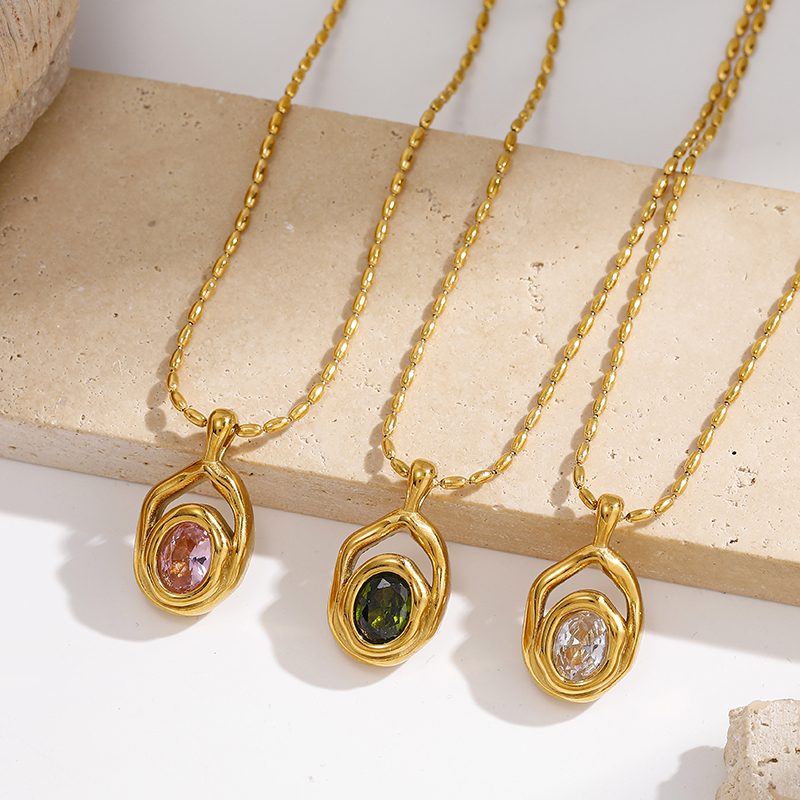 How to Start a Jewelry Brand in 2026: Step-by-Step
 Why Does Gold-Plated Jewelry Fade? (And What Lasts)
 How to Measure Ring Size at Home (3 Easy Methods)
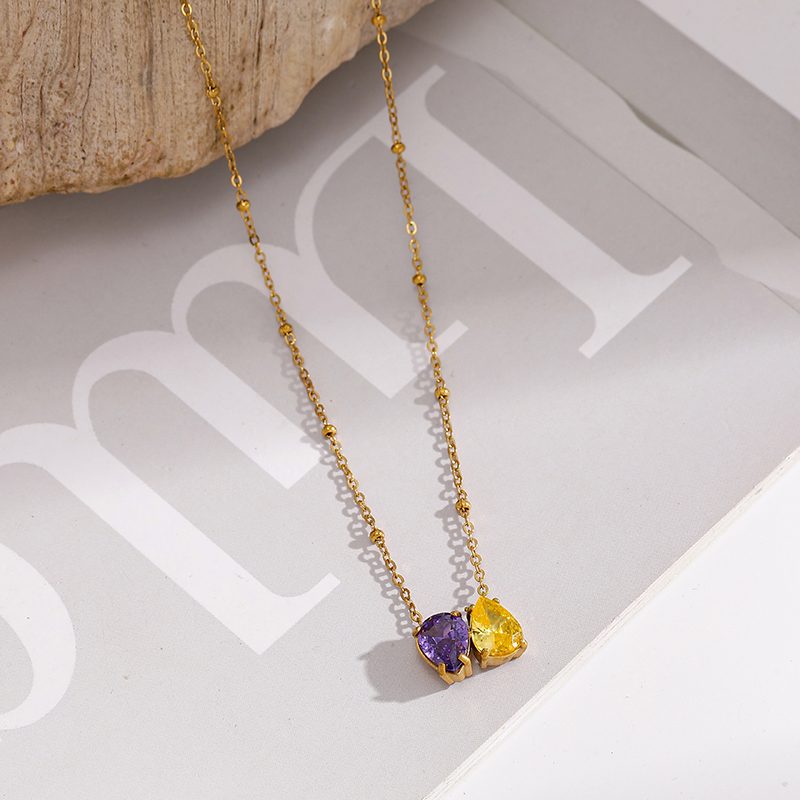 Necklace Chain Types Explained: Find Your Chain Style