
How to Layer Necklaces: The No-Tangle Guide
Layer necklaces with a 2-inch gap between each chain, an odd number of pieces (two or three), and one clear hero — and you'll never deal with a tangled knot again. That's the entire formula stylists use. Everything else is variation: which chain types mix well, how the stack sits against different necklines, and the one material choice that makes layering genuinely low-maintenance.
Here's the complete system — spacing, combos, lengths, and the daily-wear rules that keep a stack looking intentional.
The Three Rules That Do 90% of the Work
Rule 1: Space layers 2 inches (5 cm) apart. Chains closer than that will overlap, catch, and tangle within a day; chains further apart lose the "layered" read and look like separate necklaces. Two inches is the sweet spot where each piece stays distinct and moves freely.
Rule 2: Use an odd number — two or three. Odd numbers read as styled; even counts (especially four or more) read as accidental accumulation. Three is the classic stack: a choker, a mid-length chain, and a long pendant.
Rule 3: One hero, the rest support. Only one piece should have a pendant, a stone, or any real visual weight. The other layers are texture — plain chains, beads, or simple links. Two pendants at the same visual weight fight each other; one pendant plus two quiet chains looks deliberate.
The whole method in one breath: two-inch spacing, odd count, single hero — everything else is taste.
Length Planning: The Stack That Never Fails
| Your stack | Layer lengths | What happens |
|---|---|---|
| The classic three | 14–16 in + 18 in + 20–22 in | Choker, collarbone chain, long pendant — the default that works on everyone |
| The minimal two | 16 in + 18 in | A pendant plus one textured chain; the everyday version |
| The dramatic drape | 16 in + 24 in | Big gap, strong contrast — works best with a plain top |
| The choker stack | 12–14 in + 16 in | Two close set pieces, both simple — reads as one bold collar |
Measure at actual neckline: the 18-inch chain is the workhorse because it lands just below the collarbone on most frames. If you're new to necklaces, start your stack there and build outward — chain lengths and styles are covered in depth here.
Which Chain Types Layer Well Together
Not all chains stack equally. The reliable pairings:
- Rope + cable. The classic texture contrast: rope's twist next to cable's clean links. Each reads clearly at a glance.
- Beaded + smooth. A bead chain against anything flat and fluid (snake, box) creates a rhythm — this is the pairing for a boho-leaning stack.
- Two of the same, one different. If you love one style, buy two variations (a plain and a charmed version of the same chain) and add a third in a clearly different family. The pair reads as a set; the third reads as the hero.
- Avoid: two snake chains, two herringbone chains. Flat plate chains stacked together merge into one indistinct ribbon — and they tangle more, since smooth surfaces slide into each other.
Metal Mixing in a Stack
Gold-tone with silver in one stack is standard styling now — the rules are simple: keep the majority of the stack in one tone (70/30), and let mixed-metal clasps or two-tone pieces be the bridge. Keep finishes consistent (shiny with shiny, matte with matte) and the stack reads as designed rather than accidental.
The steel advantage deserves a note: if your stack is PVD 18K gold plated over stainless steel, layering becomes genuinely low-maintenance. Nothing tarnishes, nothing stains your neck, and showering with the stack on doesn't fade it — which is exactly what you want from pieces whose whole job is to sit against skin all day. Chains that need to be removed and polished after every wear simply don't get layered; chains that look after themselves do.
The Daily-Wear Rules That Prevent Tangles
- Clasp at the back, pendants to the front. Sounds obvious — but a spinning clasp is the #1 cause of a "self-tangling" stack. An extender chain with a small drop pulls the clasp down and stops the rotation.
- Keep the longest chain's pendant light. Weight on the outer layer is what drags the whole stack sideways.
- If you must wear four pieces, double up the shortest. Two thin pieces in the choker position read as one layer — the odd-number illusion survives the even count.
- Storage that respects the stack. Hang the stack together (they've found their equilibrium) or lay each piece flat separately. Chucking a layered trio into a bowl is how tangles are made. Storage guidance here.
Layering by Neckline: What to Wear With What
The neckline decides where the stack should live, and getting this wrong is why some layered looks feel crowded. The working combinations:
| Neckline | Best stack | Why |
|---|---|---|
| Crew neck | One long pendant or a two-chain stack, 18–22 in | The collar bisects the neck area — keep it simple and let the pendant land below the crew line |
| V-neck | Choker + 18 in chain, pendant in the V | The V frames the pendant position for free — the classic design pairing |
| Off-shoulder | Short choker stack, 12–16 in | Bare shoulders leave the whole neck as canvas; a choker plus one short chain fills it without hanging into fabric |
| Collared shirt | Single chain over or under the collar | Collars fight layered stacks; one clean chain over the collar is the styling, two chains under it is the alternative |
| Strapless dress | Long single chain, 24 in+ | One dramatic line against skin; a multi-layer stack competes with the neckline's own architecture |
| High turtleneck | Long pendant chain only | The fabric is already a "layer" — add one long element rather than stacking against it |
The principle underneath the table: a busy neckline wants jewelry restraint; a quiet neckline wants the stack. Match the visual weight of the stack to the visual space available — that's the whole game.
FAQ
How many necklaces should you layer? Two or three — odd numbers read as intentional. Three is the classic: short, mid, long. More than three needs styling discipline (or the doubled-up shortest-layer trick) to avoid looking cluttered.
How do I keep layered necklaces from tangling? Keep at least 2 inches between each layer, avoid pairing two flat chains (snake with snake), and use extender chains to anchor clasps at the back. Those three fixes solve nearly every tangle case.
What lengths work best for layering? The most reliable combination: a 16-inch base, an 18-inch middle, and a 20–22-inch pendant chain. That's roughly two inches of spacing at every step — the stylist standard.
Can you layer different metal colors? Yes — keep a dominant tone (roughly 70%) and let the minority metal appear once or twice as an accent. Mixed-metal styling has been mainstream for years.
Can you shower with layered necklaces? With 316L stainless steel chains — including PVD 18K gold plated styles — yes, the stack can stay on. No tarnish, no fading from water; a rinse-and-dry routine is all the maintenance the layers need.
Do layered necklaces damage each other? Only through friction — chains of similar hardness can scratch each other over time where they touch. The 2-inch spacing minimizes contact during wear, and storing the stack hanging (or each piece separately) prevents the slower drawer-time abrasion.
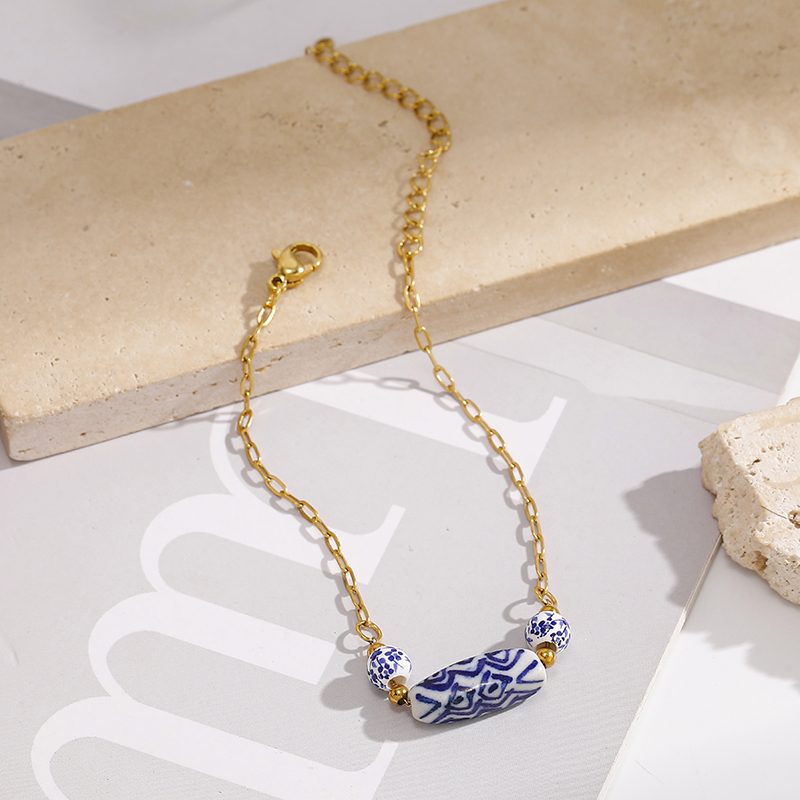 How to Photograph Jewelry for Your Online Store
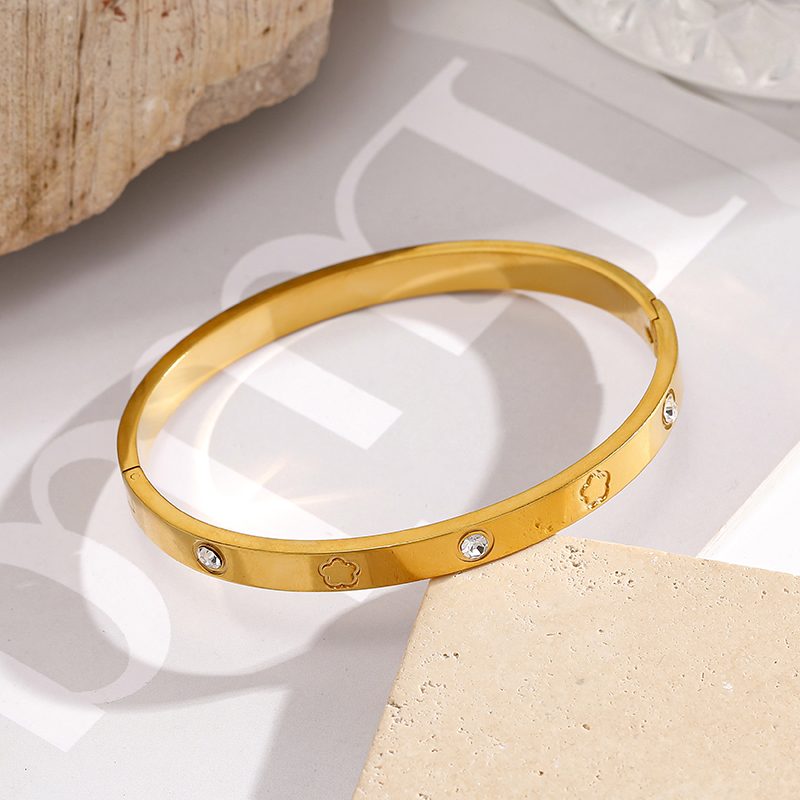 How to Mix Gold and Silver Jewelry Like a Stylist
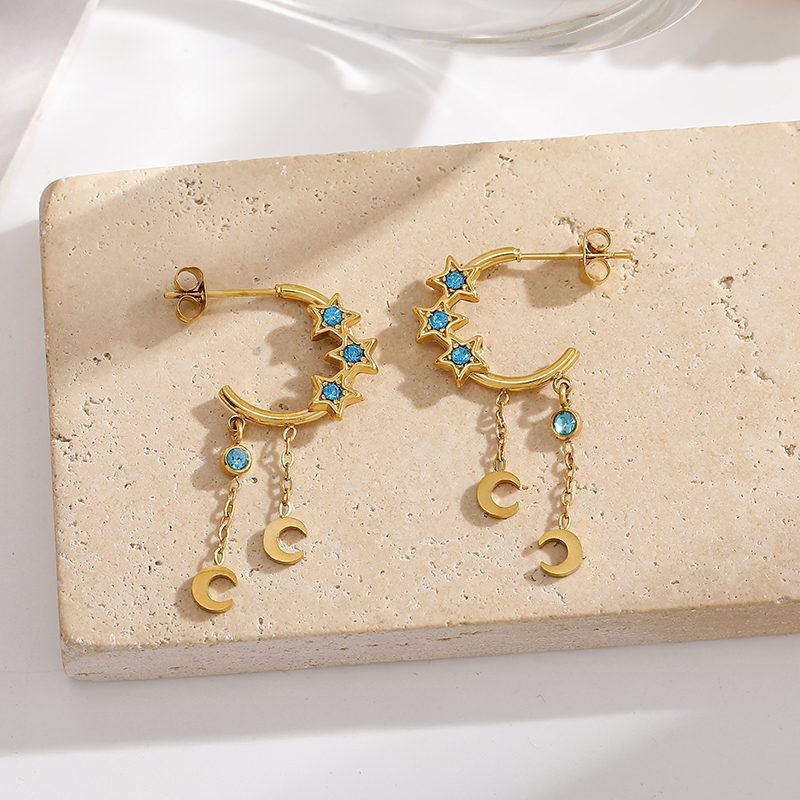 How to Store Jewelry So It Stays Like New
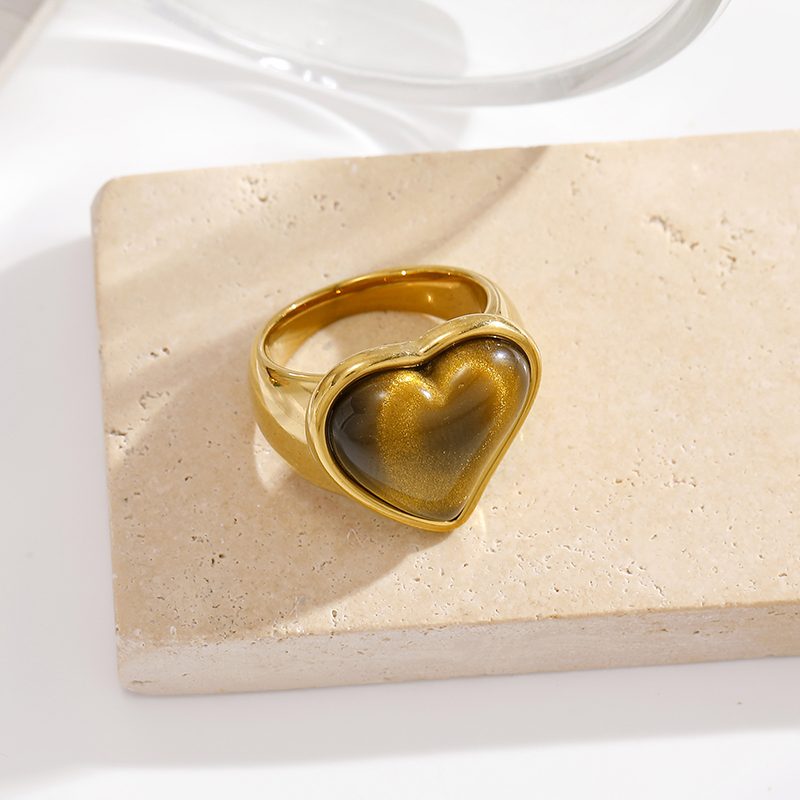 Gold Plated vs Gold Filled vs Vermeil: The Difference