
How to Store Jewelry So It Stays Like New
Store jewelry dry, separated, and out of direct light — and give each piece its own slot rather than letting them touch. That's the whole science. Most "my jewelry aged in the drawer" stories come down to four storage enemies — moisture, air, light and friction — and every one of them is removable with a five-minute setup.
Here's the method, adapted for what actually happens: which pieces need which treatment, how to end chain tangles permanently, and the travel version that survives a suitcase.
The Four Enemies of Stored Jewelry
| Enemy | What it does | The fix |
|---|---|---|
| Moisture | Accelerates tarnish on silver and brass; leaves water spots | Store dry; never put away a wet piece; a silica packet in the box |
| Air (with sulfur) | The actual cause of silver tarnish | Closed containers with limited airflow for tarnish-prone metals |
| Light and heat | Fades stones and finishes over time; dries leather straps | A drawer or closed box, away from windows and radiators |
| Friction | Chain-on-chain and stone-on-metal scratches | Physical separation: pouches, slots, dividers |
The first rule of jewelry storage: pieces should never touch each other. Ninety percent of "storage damage" is jewelry grinding against jewelry, not the box being wrong.
Match the Method to the Piece
- Chains (necklaces, bracelets): lay flat in a slot, or hang from a hook. The enemy here is tangling — a chain folded over itself in a pile finds its way into a knot overnight. One tip per slot, or hanging, ends it permanently.
- Rings: a ring roll or slotted tray. Rings in a loose pile abrade each other's bands, and softer stones take the worst of it.
- Earrings: pair them on a card or in a compartment — and keep backs with their earrings, or you'll be hunting singles forever. Studs go in slots; hoops hang.
- Bangles and cuffs: stack-store only if they're the same metal and finish; otherwise side by side. PVD 18K gold plated surfaces are wear-resistant but not scratch-proof — separation keeps them pristine.
- Statement pieces: wrap in a soft pouch or tissue inside a larger box; never box a heavy piece on top of lighter ones.
What About Tarnish? The Steel Exemption
Anti-tarnish storage techniques — airtight pouches, treated strips, silica packets — exist because silver and brass tarnish with air exposure. If your collection is 316L stainless steel, most of that machinery is unnecessary: the chromium oxide layer means steel doesn't tarnish at all, so storage for steel is purely about scratch prevention and organization. Keep one anti-tarnish pouch around if you also own silver pieces — and skip buying special storage for steel only.
The Five-Minute Setup That Works
- Empty and wipe the drawer or box. Dust and residue are friction in waiting.
- Add dividers or slots. Velvet trays, an ice-cube-style organizer, or a simple cutlery-tray insert — anything that assigns one slot per piece.
- One thing per slot. If two pieces share, make it two of the same family (two earrings or two thin chains), never a metal piece against pearls or stones.
- Keep the moisture out. A silica gel packet in the box; refresh it yearly.
- Put the daily-wear pieces on a hook. The pieces you wear five days a week shouldn't live in the box at all — a small stand or wall hook ends the daily pile-up.
The Travel Version
Travel is storage's stress test — motion, humidity, and crowding. The kit that survives: a zippered roll for rings and earrings (each in its own slot), one small pouch per chain with the clasp on the outside, and a rigid outer case so nothing gets crushed. The one non-negotiable: necklaces travel individually. A three-necklace tangle at a hotel is the most predictable failure in all of jewelry.
Storage by Metal: The Compatibility Table
Different metals have different storage needs — mixing them carelessly in one pile is how discoloration starts:
| Metal | Tarnish risk in storage | Best storage | Avoid |
|---|---|---|---|
| 316L stainless steel | None | Anywhere dry; separation only for scratch protection | Metal-on-metal piles (scratches) |
| PVD 18K gold plated steel | None from the steel; coating safe | Dry slots or pouch; light separation | Abrasive contact with clasps and stones |
| Sterling silver | High — tarnishes with air/sulfur | Airtight pouch or anti-tarnish-lined box | Humid rooms, open trays, rubber bands (sulfur source) |
| Brass / copper alloys | Medium-high — darkens | Dry pouch, silica packet nearby | Bathrooms, basements, contact with other metals' corrosion |
| Gold plated brass | Depends on coating | Individually wrapped, worn less often | Anywhere wet or abrasive |
The steel exemption is worth repeating because it changes the economics of storage: an all-steel collection needs zero anti-tarnish products — a dry drawer with separation is complete protection. Anti-tarnish pouches, strips and papers exist specifically for the silver/brass rows.
Reviving a Piece That Was Stored Badly
If something went into storage wrong and came out worse, the fix depends on what happened. A dull steel piece is almost always film, not damage — the standard clean brings it back, and our cleaning guide covers the exact method. Tarnished silver responds to a silver cloth. A worn plating, though, is different: the coating is physically gone, and the repair is replating or replacing, not cleaning. The lesson loops back to the setup — five minutes of separation now beats restoration later.
FAQ
Should you store jewelry in the bathroom? No — humidity from showers is the worst environment for stored jewelry. Store in a bedroom drawer or closet: dry, dark, and away from heat.
How do you store jewelry without tangling? Lay each chain flat in its own slot or hang it, clasp intact. Never pile multiple chains in one spot, and in travel keep one pouch per chain. This single habit eliminates almost all tangles.
Does stainless steel jewelry need anti-tarnish storage? No. 316L stainless steel doesn't tarnish, so no special storage is needed — just dry storage and separation to prevent scratches. Tarnish-prevention setups are for silver, brass and copper pieces.
Is it bad to hang necklaces? Hanging is excellent for chains — the seam-free drape prevents the folding that causes tangles. Use a soft, rounded hook and avoid heavy pendants on thin chains, where hanging long-term can stress the links.
What's the best way to store earrings? One pair per slot or card, with backs attached. Hanging suits hoops and dangles; slots suit studs. The goal is the same as everything else: no two pieces touching, and no single earring left to wander.
Is a jewelry box or a drawer organizer better? Neither wins on its own — what matters is that whatever you use gives each piece its own non-touching slot, closes against dust, and sits somewhere dry and dark. A cheap organizer with proper dividers outperforms an expensive box where everything piles together.
How should I store jewelry I wear every day? Not in the box at all — daily pieces live best on a small stand or hook, ready to grab and easy to put back. The box is for rotation pieces and occasions; the hook is what stops the daily-wear favorites from ending up in a pile on the dresser.
Should jewelry be stored closed or in the open? Closed, with one exception. Closed storage blocks dust, light and (for silver and brass) the airflow that drives tarnish. The exception is pieces still drying after cleaning or a rinse — those should sit open on a cloth until fully dry, because sealing a damp piece into a box is how water spots and mildew smells get started.
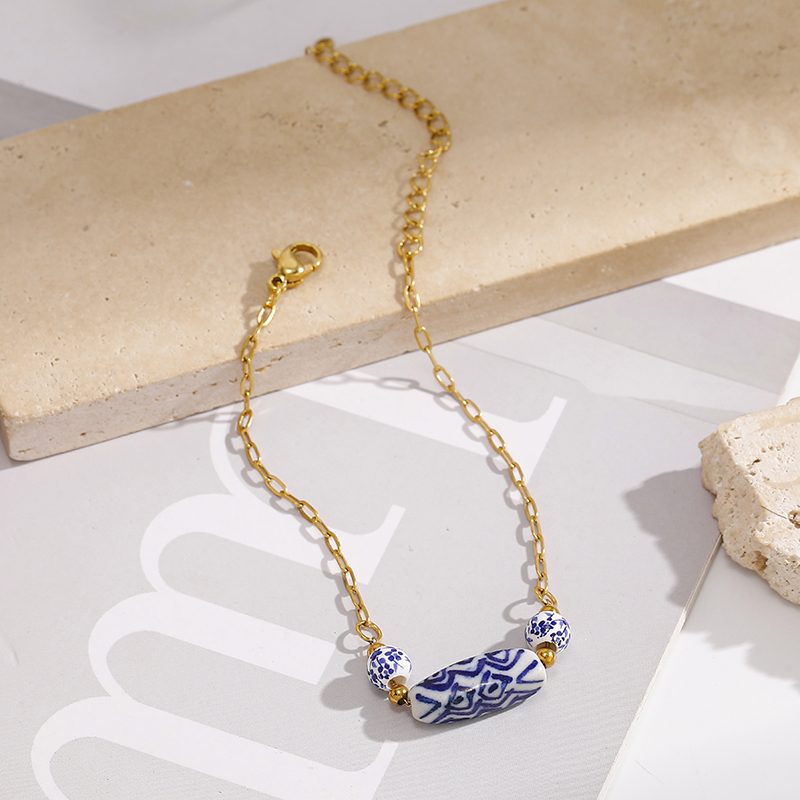 How to Photograph Jewelry for Your Online Store
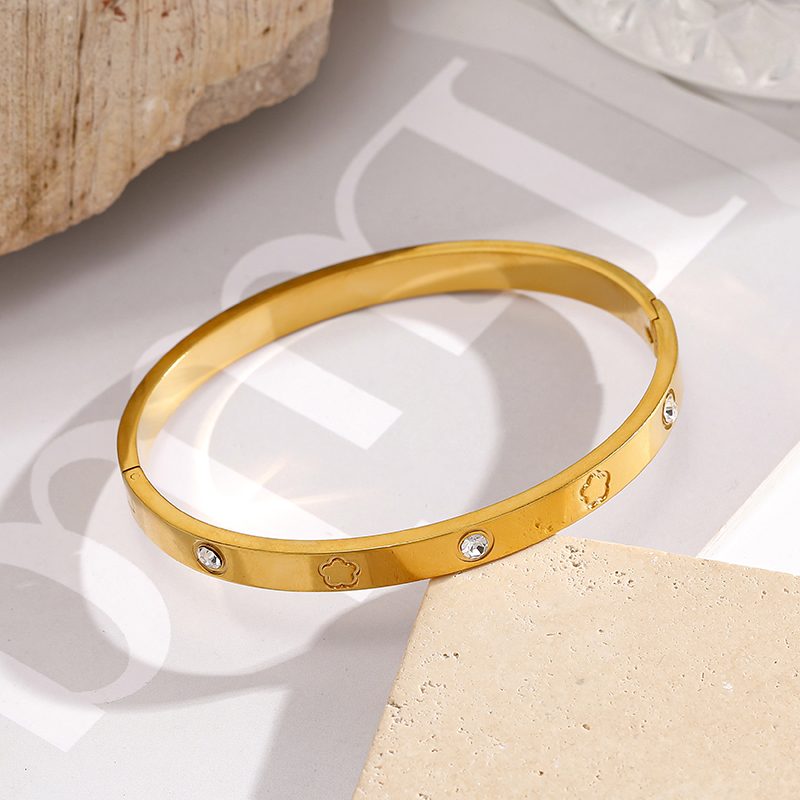 How to Mix Gold and Silver Jewelry Like a Stylist
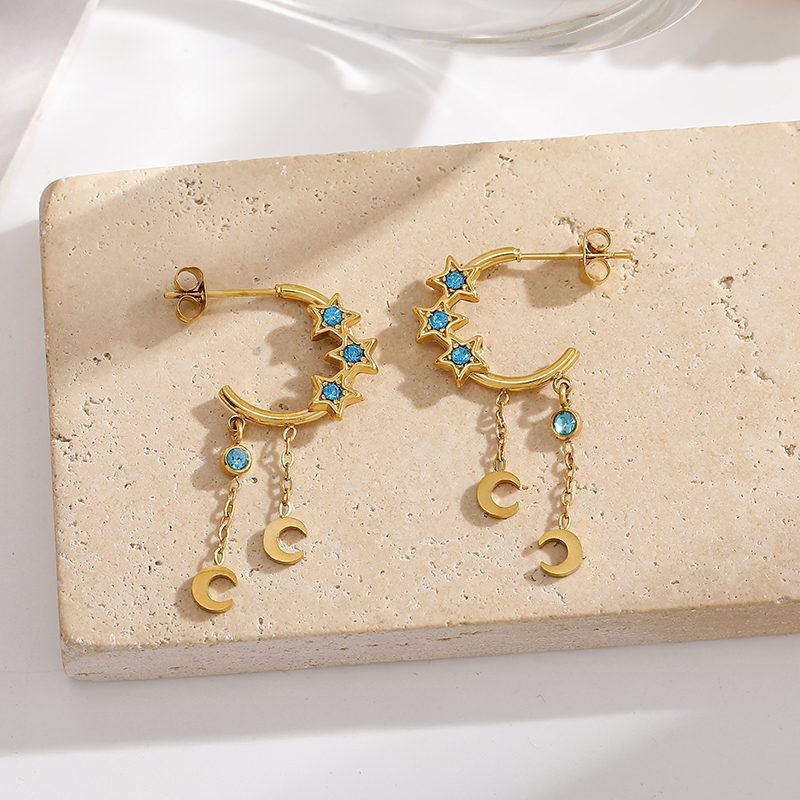 How to Store Jewelry So It Stays Like New
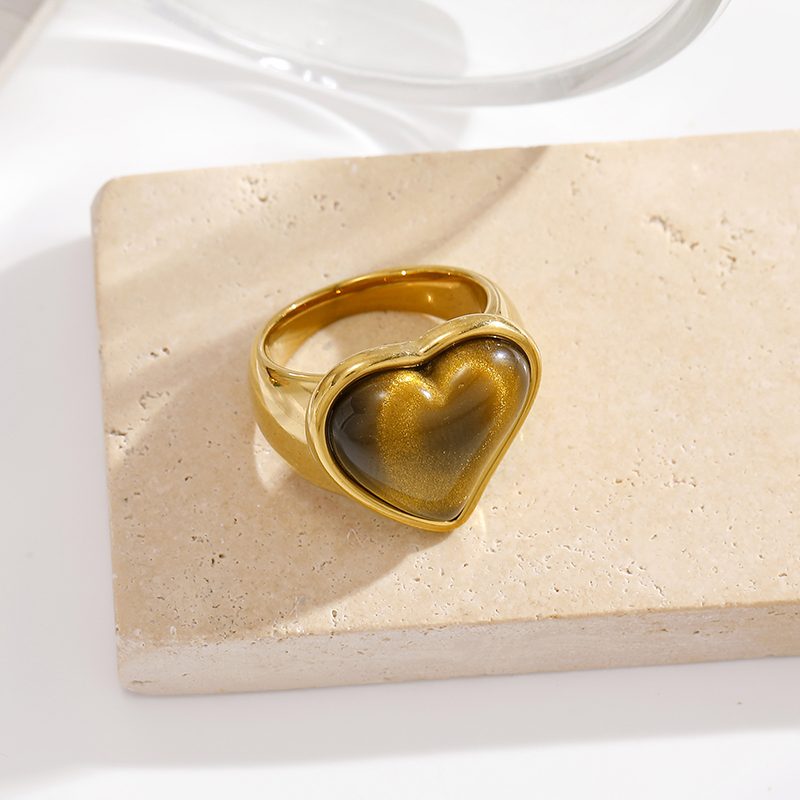 Gold Plated vs Gold Filled vs Vermeil: The Difference