Gold Plated vs Gold Filled vs Vermeil: The Difference
Gold plated means a thin gold layer electrodeposited over any base metal; gold filled means a thick gold layer mechanically bonded to a brass core (legally ≥5% gold by weight in the US); vermeil means thick gold plating (≥2.5 microns, ≥10K) over sterling silver specifically. Same golden look on day one — wildly different lifespans after that. Plated pieces can fade within months; quality gold filled pieces often hold for a decade or more.
If you've ever watched a favorite gold-tone ring go brassy within a season, this is the classification that explains why. Here's what each term actually guarantees, how they compare in real wear, and where the newer PVD-coated stainless steel sits in the lineup.
The Three Terms, Decoded
| Term | What it is | Legal/industry floor | Typical base metal |
|---|---|---|---|
| Gold plated | Thin gold layer applied by electroplating | No minimum thickness (be careful) | Any — brass, copper, steel, zinc |
| Gold filled | Gold layer pressure-bonded to the core as a sheet | ≥5% gold by weight (US standard) | Brass or copper core |
| Vermeil | Thick gold plating over sterling silver | ≥2.5 microns of ≥10K gold over 925 silver | Sterling silver |
The key insight hiding in the table: the terms describe the thickness of gold and honesty of construction — which is what actually determines whether your jewelry survives its first year.
- Gold plated is the loose term. Because there's no enforced minimum thickness, "gold plated" spans everything from a sub-micron flash coat that dies in weeks to genuinely durable plating. This term alone tells you almost nothing.
- Gold filled is regulated in the US: the gold content must be at least 5% of total weight, applied as a bonded layer. It's the workhorse of heirloom-adjacent everyday jewelry — much thicker than plating, and it can last a decade or more with care.
- Vermeil (pronounced ver-MAY) is the premium tier: substantial gold over sterling silver. It carries actual precious-metal value from the silver core, and the thickness requirement means wear-through takes years, not weeks.
How They Compare in Real Wear
| Gold plated | Gold filled | Vermeil | |
|---|---|---|---|
| Gold layer thickness | Thinnest — varies wildly | Thick (bonded sheet) | Thick (2.5+ microns) |
| Lifespan in daily wear | Weeks to a few months once worn hard | Years — often 10+ with care | Years — thickest gold layer |
| Can it be worn in water? | Better avoided | Best removed for pools/showers | Best removed for pools/showers |
| Ages how? | Fades/wears at friction points, base metal shows | Wears extremely slowly; can patina | Gold wears very slowly; silver core can tarnish at exposed spots |
| Precious-metal value | None | Some (gold content) | Yes (gold over silver) |
| Typical use | Fashion jewelry, occasional wear | Everyday fine-look pieces | Higher-end gold-look jewelry |
The pattern: gold filled and vermeil are "gold that will still be there next year"; gold plated is "gold that visits."
Where PVD-Coated Stainless Steel Fits
There's a fourth option the classic comparison often misses, and it's the one we build with: PVD 18K gold plating over 316L stainless steel. PVD (Physical Vapor Deposition) is a vacuum process that bonds the gold-tone layer at the molecular level — much harder and more wear-resistant than conventional electroplating — over a base metal that doesn't tarnish, corrode, or mark skin.
Where does it sit? Durability-wise, well above conventional plating and competitive with gold filled for daily wear; wear-wise it uniquely tolerates showers and swims thanks to the steel core. What it doesn't have is precious-metal resale value — PVD on steel is about performance, not investment. For a full breakdown of the process and its limits, see our PVD guide.
How to Tell What You're Actually Buying
- Read the exact words. "Gold plated," "gold filled" and "vermeil" are specific and sellers use them precisely — if a listing says "gold plated" and you were hoping for filled, that's the listing telling you the truth.
- Check for thickness specs. Quality sellers state microns (vermeil: 2.5+) or the gold-karat of the plating (10K, 14K, 18K). No spec at all often means sub-micron flash plating.
- Price is a signal. Gold filled and vermeil cost meaningfully more than plated because the gold content is real and substantial. A "gold filled" piece at plated prices is a red flag. (Relative language is the honest guide here — see our wholesale buyer's checklist for the questions that get to the truth fast.)
- Test the friction points. Look first at ring bands, clasp areas, and chain links — the places where plating always fails first. Even plating there = a quality process.
Caring for Each Type
All three benefit from the same habits: put jewelry on last (after lotions and perfume), wipe after wear, store dry and separated. The difference is tolerance. Gold plated pieces should come off for swimming, showers, and workouts. Gold filled and vermeil tolerate much more but still prefer dry. PVD on steel is the one that never asks to be removed — that's the entire design goal of the combination.
The Fine Print: Reading Jewelry Tags Like an Insider
Jewelry labeling is regulated but often understated, so knowing what the tags can and can't tell you matters at the counter:
- "18K GP" or "GP" — gold plated. Also seen as "HGE" (heavy gold electroplate, a thicker variety). No thickness guarantee beyond the label's honesty.
- "1/20 14K GF" — gold filled: 1/20th of the total weight is 14K gold (the classic US ratio). If you see GF, the 5%-by-weight floor applies.
- "Sterling" or "925" plus "gold vermeil" — vermeil: the silver core must be sterling, the gold layer 2.5+ microns of 10K or higher.
- "PVD" — a process label, not a gold-content label. It tells you how the coating was applied (vacuum deposition), not how much gold is in it. Quality vendors pair it with a karat spec — ours read PVD 18K gold plated.
- What no tag tells you: how the piece will age in your life. The tags describe construction; your habits (showers, gym, perfume) decide the rest.
One practical tip: photograph the tag when you buy. If a piece ever fails early, "what did the listing actually claim" becomes answerable — and quality sellers state these specs precisely because they can stand behind them.
FAQ
Is gold filled better than gold plated? Yes, for wear life — significantly. Gold filled carries a bonded gold layer of at least 5% by weight versus plated's variable (often sub-micron) coating. A quality gold filled piece typically outlasts plated jewelry many times over.
Does vermeil or gold filled tarnish? The gold surfaces resist tarnish, but exposed base metals can react: vermeil's sterling silver core can tarnish at wear spots, and gold filled's brass core can darken at deep scratches. Keeping pieces dry and clean prevents most of it.
Can you shower with gold plated jewelry? It's best avoided — water and soap film erode thin plating quickly. Gold filled and vermeil tolerate occasional moisture much better, and PVD-coated stainless steel pieces are designed for daily water contact.
How long does each type last? Conventional gold plating: weeks to months of hard daily wear before fade shows. Gold filled: years, often 10+, with basic care. Vermeil: years — the thickest gold layer of the three. PVD on stainless steel: engineered for years of daily wear, including water exposure.
What's the most durable affordable gold-look option? For daily, water-inclusive wear at accessible prices, PVD 18K gold plated stainless steel is the practical winner — the coating is far more wear-resistant than standard plating and the steel base never tarnishes, marks skin, or stains green.
 How to Photograph Jewelry for Your Online Store
 How to Mix Gold and Silver Jewelry Like a Stylist
 How to Store Jewelry So It Stays Like New
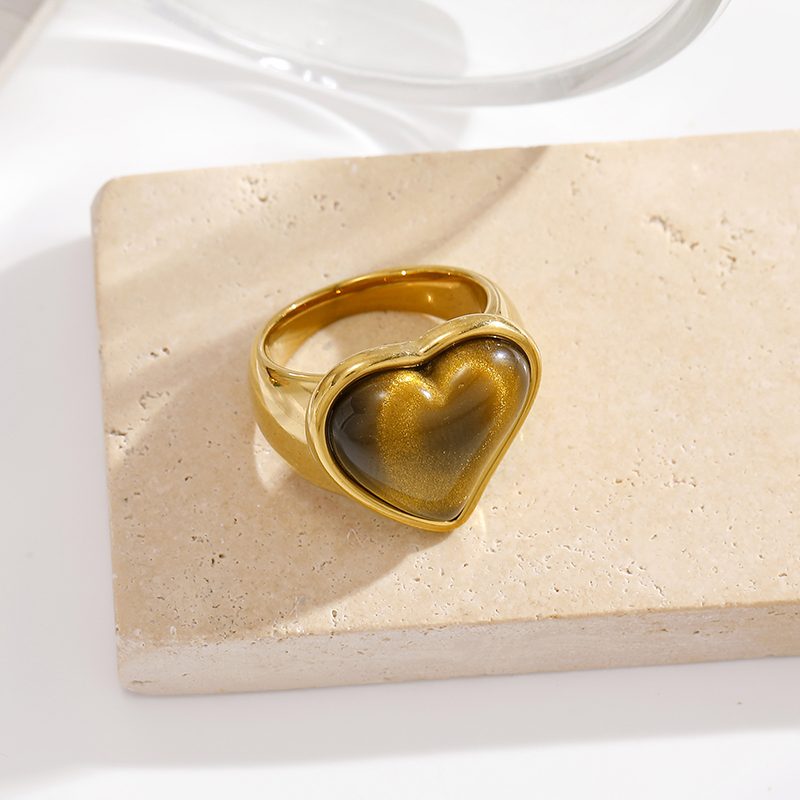 Gold Plated vs Gold Filled vs Vermeil: The Difference